


Bulk Inventory Verification Before You Buy
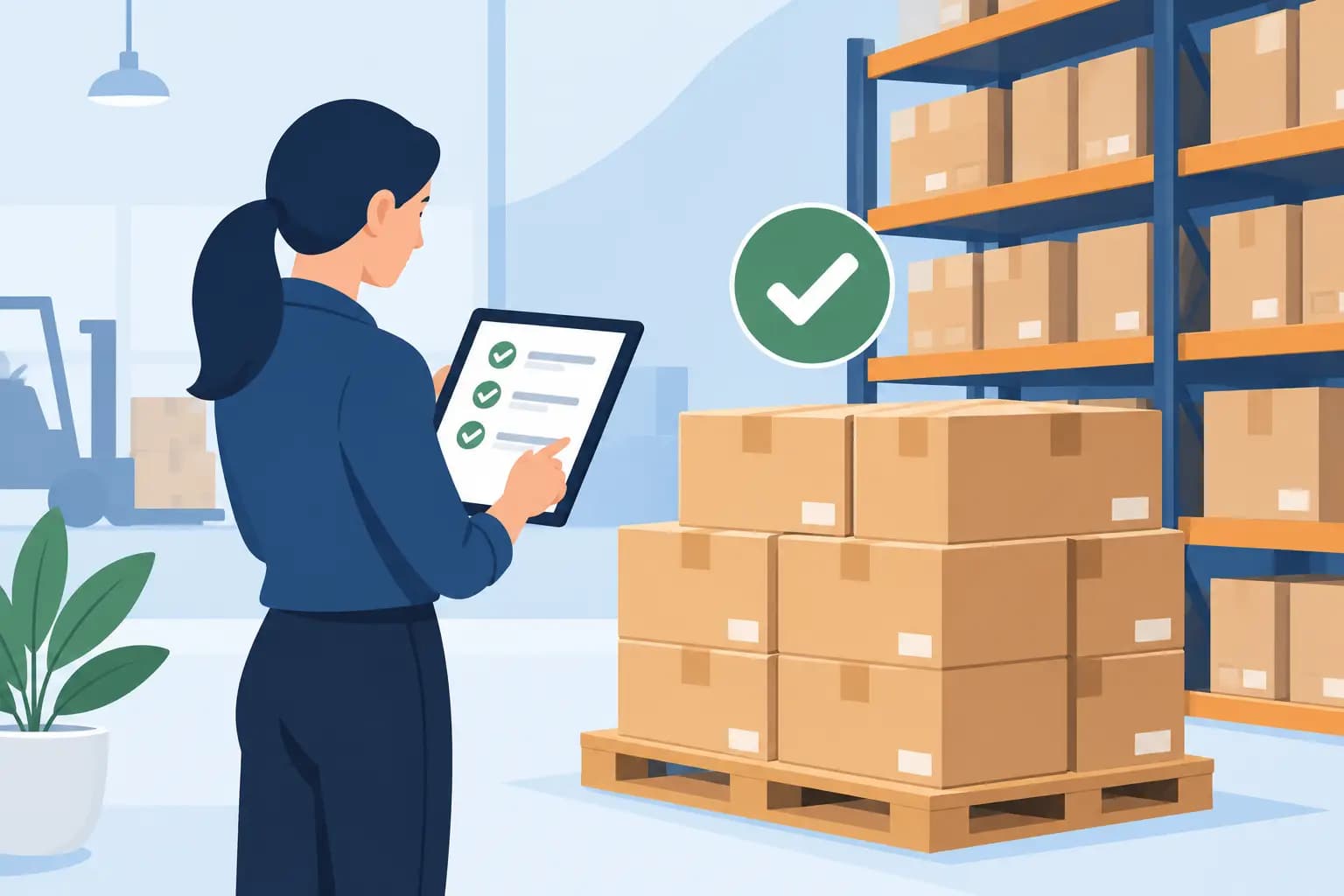
A liquidation lot can look profitable on paper and become expensive the moment it reaches your warehouse. A stated 20,000-unit quantity may include mixed sizes, damaged cartons, incomplete accessories, slow-moving SKUs, or stock that cannot be sold in your market. Bulk inventory verification is the process that closes the gap between an offer sheet and the goods you actually receive.
For importers, discount retailers, distributors, and e-commerce sellers, verification is not a formality. It is part of buying. The larger the shipment, the more a small error affects margin, freight cost, labor, storage, and customer returns. Verify the lot before funds are released, before a container is booked, and before a pricing decision becomes difficult to reverse.
What Bulk Inventory Verification Should Confirm
A proper verification process confirms more than the total number of units. It should establish what is being sold, where it is located, its current condition, how it will be packed, and whether the documents support a legal and practical import.
Start with the commercial basics: product category, brand or generic status, SKU list, total units, unit price, lot price, country of origin, warehouse location, and agreed delivery terms. Then move into the details that decide resale value. For apparel, that means size runs, seasons, labels, tags, color mix, and packaging. For electronics, it means model numbers, plugs, voltage, accessories, power status, serial-number availability, and whether products are new, shelf pulls, customer returns, or refurbished.
The right standard depends on the deal. A buyer taking one mixed pallet of unbranded home goods does not need the same inspection depth as a chain store importing several containers of branded footwear. But every buyer needs enough evidence to price the risk correctly.
Verify the Stock List, Not Just the Headline Quantity
A seller may advertise a large unit count, yet the number alone does not tell you whether the lot is commercially usable. Ask for a current packing list or inventory file that breaks the stock down by SKU, description, quantity, carton count, and, where relevant, size, color, model, or condition grade.
Check the math. The SKU quantities should match the stated lot total. Carton counts should make sense against units per carton. If the offer includes pallets, request pallet dimensions, gross weight, and the number of cartons per pallet. These figures affect container planning and freight quotes, and they often expose basic discrepancies before money changes hands.
Pay close attention to broad descriptions such as “assorted,” “mixed,” “various models,” or “A-grade.” These terms are not automatically a problem, but they require definition. A mixed lot can be a strong opportunity when the mix is known and the price reflects it. It becomes a risk when the seller cannot show what “mixed” means in practice.
For branded stock, confirm the brand list, quantity by brand, and product type by brand. Do not assume that a small group of high-demand items represents the full lot. Your resale plan should be based on the weighted average of the inventory, not the best photos in the offer.
Use Current Visual Evidence
Photos are useful only when they show the actual available inventory. Request recent, date-confirmed images and videos from the warehouse. The material should show outer cartons, pallet labels, product samples, and the general condition of the storage area.
For larger purchases, ask for a live video call or an independent inspection. A live walkthrough allows you to direct attention to the details that matter: carton markings, SKU labels, size labels, barcode labels, seals, product packaging, and warehouse quantities. It also confirms that the goods are physically present at the stated location.
Visual evidence should answer practical questions. Are cartons clean, dry, and intact? Are pallets securely wrapped? Is packaging retail-ready or damaged? Are goods stored properly? Are products in original boxes, polybags, or loose bulk packaging? A product may be sellable even when packaging is imperfect, but that must be reflected in your buying price and sales channel.
Do not rely on a few polished samples if you are purchasing a mixed load. Ask to see cartons opened from different pallet positions. Top-layer cartons can look excellent while lower pallets hold older, damaged, or less desirable stock.
Check Condition and Grade Definitions
Condition language is one of the most common sources of wholesale disputes. “New,” “surplus,” “overstock,” “customer returns,” and “shelf pulls” are not interchangeable categories. Get the condition stated in writing and make sure the definition matches your business model.
New overstock may be suitable for mainstream retail if it has original packaging and complete accessories. Shelf pulls may have minor handling marks or price-label residue. Customer returns can range from unopened products to tested but incomplete items. If the lot contains returns, ask whether products were tested, what testing was performed, and how failed units were handled.
For apparel and footwear, sample checks should look for stains, missing tags, mismatched pairs, damaged boxes, and irregular size distribution. For tools and consumer electronics, verify chargers, manuals, batteries, adapters, and region-specific plugs. Missing accessories may seem minor, but they can create substantial return rates and repacking labor.
When condition cannot be inspected unit by unit, agree on an acceptable defect allowance. There is no universal percentage. It depends on the category, purchase price, expected resale margin, and whether you have the capacity to sort and repair. The key is to identify the allowance before purchase, rather than argue about it after delivery.
Confirm Ownership, Documentation, and Selling Rights
Physical stock is only one part of the transaction. The seller should be able to issue a commercial invoice and packing list that clearly identify the goods, quantities, values, seller details, and delivery terms. For cross-border transactions, confirm the country of origin and any documents needed for customs clearance in the destination market.
Branded inventory requires additional care. Ask what documentation supports the supplier’s right to sell the merchandise and whether any sales restrictions apply. Certain goods may be intended for specific markets, retail channels, or export territories. A low purchase price does not help if your intended channel refuses the products or if labeling requirements prevent legal sale.
Verify compliance before shipping when relevant to the category. Examples include product safety markings, labeling, batteries, textiles, cosmetics, food-contact products, and electrical standards. Your customs broker or compliance adviser can identify destination-specific requirements, but the sourcing decision must allow time and budget to address them.
Make Loading Part of the Verification Plan
A verified lot can still arrive short or damaged if loading is poorly controlled. Before dispatch, agree on the final pallet count, carton count, gross weight, and loading method. Request loading photos or video that show the container number, seal number, pallet placement, and completed load.
This record protects both sides. It helps resolve freight claims, confirms that the correct goods were loaded, and gives your receiving team a reference point before the container arrives. For high-value deals, an inspection at loading can be worth the cost, especially when the shipment is moving across borders and return freight would be unrealistic.
At destination, inspect the seal before opening the container. Count pallets and cartons against the packing list, photograph any visible damage, and record exceptions immediately. Fast receiving reports are far more useful than complaints raised weeks after stock has been mixed into your warehouse.
Build Verification Into the Deal Terms
The strongest buyers do not treat verification as an informal request. They put it into the transaction process. The quotation, pro forma invoice, purchase order, or sales agreement should state the product description, quantity basis, condition, packaging expectations, documents to be supplied, inspection rights, and claim procedure.
Payment terms should match the level of evidence available. A repeat supplier with consistent performance may justify faster payment. A first transaction, a mixed liquidation lot, or a high-value export shipment may call for more controls, such as a deposit followed by balance payment after inspection or confirmed loading. There is no single rule, but payment should never move faster than your confidence in the stock.
At GLOBAL STOCKS, buyers evaluating large lots should request the information needed to make a fast commercial decision: current quantities, product details, origin, pallet or container data, and shipping requirements. Speed matters in liquidation, but rushed buying is not the same as decisive buying.
When a Deal Needs More Checking
Extra verification is justified when the price is far below market, the lot description is unusually broad, the inventory is located in a different country, or the seller cannot provide current warehouse evidence. It is also necessary when the goods carry high resale expectations, such as recognized brands, premium electronics, or products intended for large retail accounts.
A seller who welcomes reasonable questions is usually easier to work with when logistics become complicated. If basic documents, current photos, or count explanations are repeatedly delayed, treat that as commercial information. You may still proceed, but only at a price and payment structure that accounts for the uncertainty.
The best bulk deals are not simply the cheapest offers. They are the offers where quantity, condition, paperwork, freight, and resale path are clear enough for you to act with confidence. Ask for proof early, price the unknowns honestly, and reserve your capital for inventory you can move.