


Wholesale Goods With Customs Support
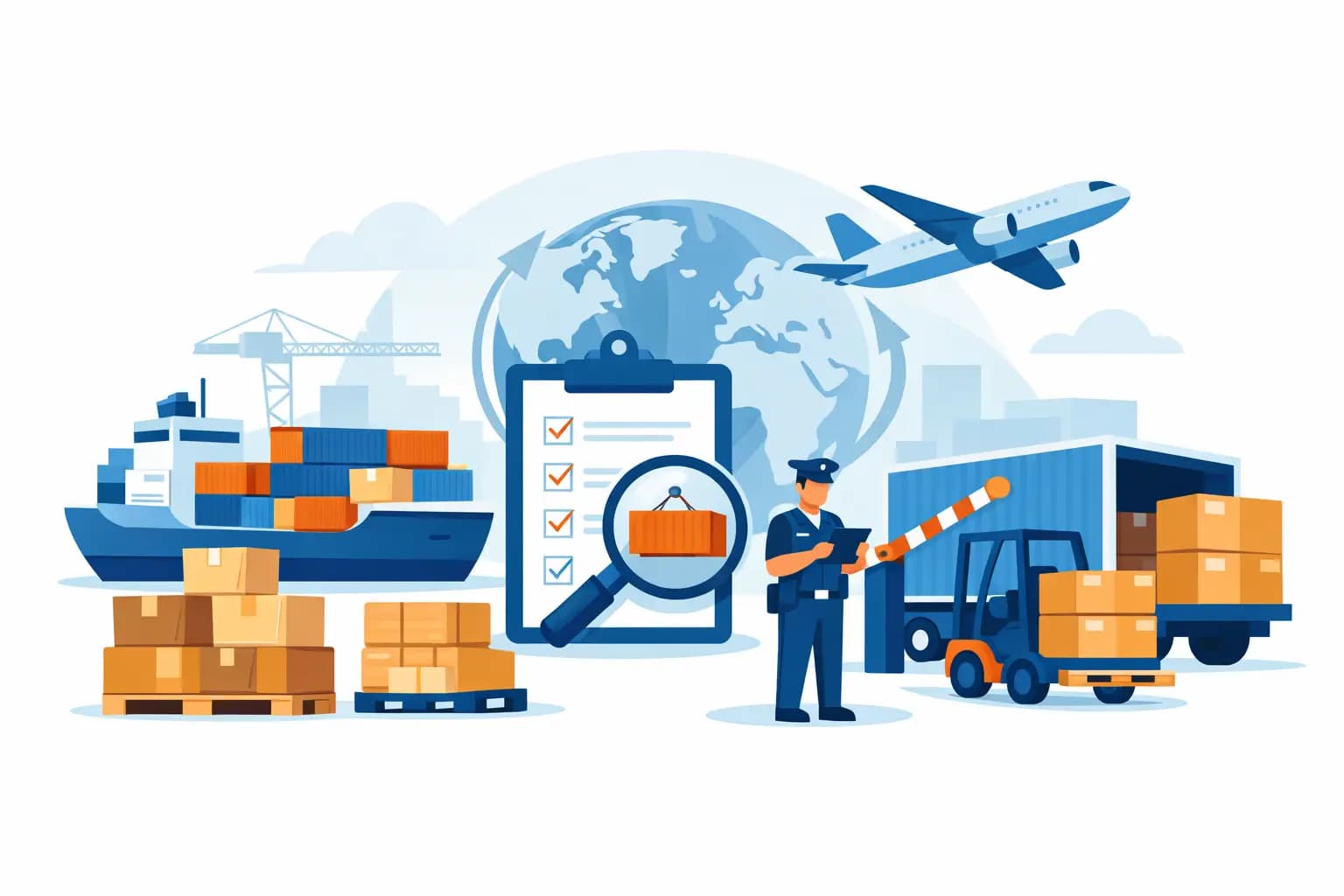
A low purchase price stops being a good deal the moment a shipment gets stuck at the border. For importers, distributors, and liquidation buyers, wholesale goods with customs support are not a nice extra. They are a margin-protection tool that helps keep stock moving, costs predictable, and resale timelines intact.
When you buy in volume across borders, the real question is not just what the goods cost. It is what it takes to get them cleared, delivered, and ready to sell. That is where customs support changes the quality of the deal. A supplier that understands documentation, shipment terms, origin requirements, and border procedures can save you far more than a slightly lower unit price from a seller who simply loads a truck and disappears.
Why wholesale goods with customs support matter
Bulk buyers work on speed and spread. You need enough margin between acquisition cost and resale price to cover freight, duties, warehousing, and the occasional surprise. If customs paperwork is incomplete or product classification is wrong, that spread gets squeezed fast.
Customs support reduces exposure at the exact point where many cross-border deals fall apart. It helps prevent delays caused by missing commercial invoices, packing list errors, product description issues, valuation problems, or confusion around country of origin. If you are buying mixed pallets, surplus inventory, closeouts, or liquidation stock, the risk can be even higher because goods are often sourced from different channels and packed in varied configurations.
For a US buyer importing from Europe, Asia, or other markets, the shipment has to make commercial sense beyond the quoted stock price. Duties, entry processing, inspection risk, and timing all matter. A customs-aware wholesale partner helps you estimate the full landed cost before you commit, not after the container is already on the water.
What customs support should actually include
Not every seller means the same thing when they say they can help with customs. Some mean they will provide an invoice. That is not enough. Serious wholesale goods with customs support should include practical assistance that affects execution.
At a minimum, that means clear commercial documentation, accurate product descriptions, unit and pallet counts, declared values, and coordination with freight and customs contacts. In stronger setups, it also means guidance on HS classification, origin documentation where relevant, export paperwork, and alignment between what was sold and what appears on shipping documents.
That support is especially valuable when you are buying branded goods, consumer electronics, apparel, tools, household products, or mixed-category stock. Each category carries different documentation expectations and potential compliance questions. Electronics may trigger extra scrutiny around specifications or safety standards. Apparel often requires careful product detail and origin information. Mixed loads can become difficult if descriptions are too vague.
The practical standard is simple. If a supplier cannot explain what documentation will travel with the load and who is handling each step, you are not buying a complete solution. You are buying risk.
The cost side: cheaper stock is not always cheaper landed
Wholesale buyers know the difference between price and profit. A lot that looks excellent on paper can become average once freight, customs, duties, handling, and delays are added. This is why customs support has direct buying value.
A shipment delayed for a week may not sound dramatic, but it can affect warehouse scheduling, online listings, retail replenishment, and cash flow. If you are buying seasonal products, toys, apparel, or fast-turn household items, timing can be as important as price. Missing the sales window costs more than a modest difference in source price.
There is also the problem of corrections. If customs flags documentation, someone has to fix it. That can mean broker fees, storage charges, demurrage, examination costs, and a lot of wasted time between seller, forwarder, broker, and buyer. Buyers who source repeatedly do not want vendors who create avoidable cleanup work. They want supply partners who understand that trade execution is part of the offer.
How to evaluate suppliers offering customs support
A serious wholesale operation should be able to discuss stock and border handling in the same conversation. If you are reviewing offers, ask direct questions early.
Start with the basics. What is the exact product mix, quantity, and origin? Are the documents prepared in-house or through a freight partner? Has the seller shipped this category into the US or other destination markets before? Are pallet counts, carton counts, and product descriptions already standardized for export paperwork?
Then test the quality of the support. Ask how they handle mixed inventory, branded stock, or liquidation goods that may come from multiple channels. Ask what commercial documents are included and whether they can coordinate with your broker or recommend a process. If the answers are vague, the support is likely reactive rather than operational.
A good supplier does not promise that customs is effortless. They show that they understand where problems happen and how to reduce them.
When customs support makes the biggest difference
Some buyers can manage border procedures with their own internal teams and brokers. Even then, supplier-side customs support still matters because your team can only work with the information provided. If the export side is messy, your import side starts behind.
The value becomes much more obvious in certain scenarios. New importers benefit because they may not yet have strong internal compliance routines. Buyers testing new source markets benefit because document expectations and trade practices vary. High-volume resellers benefit because shipment delays can disrupt multiple channels at once. Buyers of liquidation, overstock, and mixed truckloads benefit because inventory complexity increases the chance of paperwork mistakes.
This is also why many experienced buyers prefer partners that combine sourcing access with execution support. If a seller can locate discounted inventory but cannot move it properly across borders, the offer is incomplete. The stronger model is a wholesale partner that understands supply, pricing, transport, and customs as one commercial process.
Wholesale goods with customs support for growth-minded buyers
If your business is scaling, customs support stops being a convenience and becomes part of infrastructure. Growth creates more frequent shipments, more SKUs, more destination points, and less tolerance for delays. You cannot build a reliable resale pipeline on unpredictable clearance outcomes.
That is especially true for distributors and chain operators working on planned inventory flow. It is also true for e-commerce resellers who need to forecast listings, replenishment, and promotion cycles. Every border issue pushes that schedule backward.
Working with a partner such as GLOBAL STOCKS can make sense when you need both access to international bulk inventory and practical help coordinating the movement of those goods. The strongest wholesale relationships are not based only on finding stock. They are based on finding stock that can actually be delivered, cleared, and monetized on schedule.
What buyers should prepare on their side
Customs support from the seller works best when the buyer is organized too. Have your importer records, broker contacts, receiving details, and product requirements ready before the shipment is booked. If your market has specific labeling, packaging, or compliance expectations, raise them before purchase, not after dispatch.
You should also model landed cost with discipline. Do not rely on broad estimates. Use product category, origin, freight mode, duties, and local receiving costs to understand the real margin. A supplier with customs support can help reduce surprises, but buyers still need to make decisions using full-cost logic.
The most profitable importers are rarely the ones chasing the lowest ex-warehouse price. They are the ones buying stock that arrives correctly, clears on time, and goes straight into resale.
The better question to ask before you buy
Instead of asking only, “How cheap is this lot?” ask, “How cleanly can this lot move from seller to market?” That question exposes the difference between a speculative deal and a usable one.
Wholesale goods with customs support give buyers more than shipping assistance. They give you better control over timing, paperwork, landed cost, and resale planning. In cross-border wholesale, that control is where real buying confidence comes from.
The next profitable deal is not just the one with the right discount. It is the one that reaches your warehouse without turning into a customs problem first.