


What Is a Stock Lot? A Wholesale Buyer’s Guide
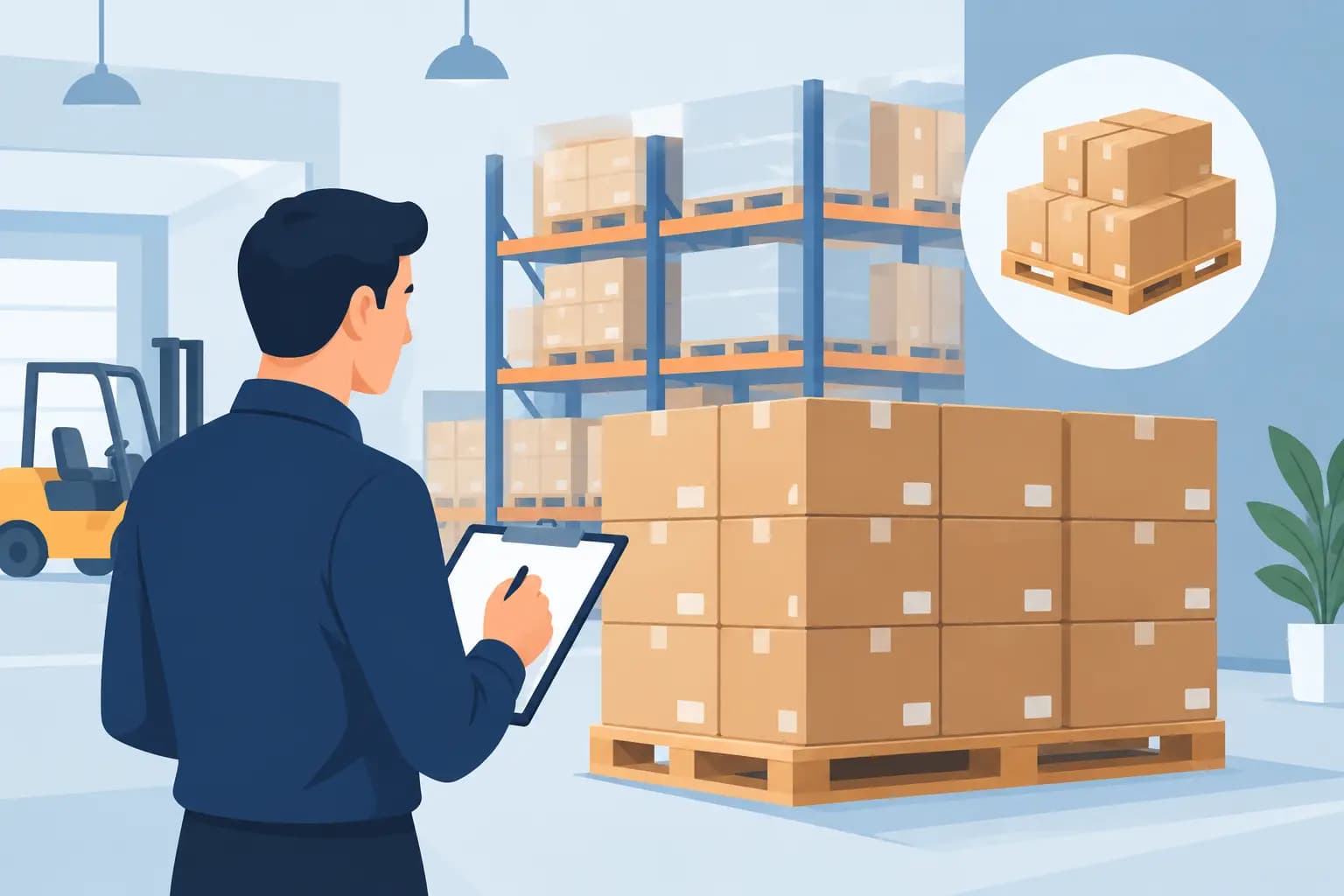
A buyer sees an offer for 18 pallets of branded cookware, 9,600 units, ex-warehouse in Europe. The price looks strong, but the real question is not the unit cost alone: what is a stock lot, and does this particular lot fit your sales channels, cash flow, and logistics capacity?
In wholesale and liquidation trade, a stock lot is a defined quantity of merchandise sold together in one transaction. It may contain one product, several SKUs, a mixed assortment, or an entire remaining inventory position. Lots are commonly offered by pallet, truckload, container, carton, or total unit count. The opportunity is simple: buyers acquire inventory below standard wholesale pricing, then resell it through retail stores, distribution networks, marketplaces, or export channels.
The details determine whether it is a profitable purchase or an expensive warehouse problem.
What Is a Stock Lot in Wholesale Trade?
A stock lot is inventory that a seller wants to move as a batch rather than sell item by item through its normal retail or distribution route. The stock may come from surplus production, canceled orders, retailer returns, end-of-season changes, closeouts, packaging updates, store closures, or excess inventory held by a manufacturer or distributor.
Unlike a standard replenishment order, a stock lot is often finite. Once it is sold, the exact offer may not return. That is why experienced buyers evaluate quickly, but they do not buy blindly. They confirm the product mix, condition, documentation, location, loading terms, and resale restrictions before committing.
The phrase can also mean a group of shares in financial markets. In this context, however, a stock lot refers to physical merchandise available for wholesale purchase.
A lot can be as small as several cartons of footwear or as large as multiple containers of household goods. Its commercial value comes from the gap between the acquisition cost and the realistic resale value after freight, duties, handling, storage, and selling expenses.
Why Suppliers Sell Merchandise in Lots
Selling stock by the lot is a speed solution. A manufacturer may need warehouse space for a new production run. A retailer may want to clear discontinued colors or prior-season inventory. A distributor may have a canceled purchase order and prefer one bulk buyer over thousands of individual sales.
This creates a useful trade-off for buyers. The supplier accepts a lower price in exchange for a fast, clean exit. The buyer accepts quantity, assortment risk, and the responsibility of resale in exchange for stronger potential margins.
The best lots are not necessarily the cheapest lots. A low-priced offer with weak demand, incomplete paperwork, damaged packaging, or high transport costs can tie up capital for months. A slightly higher-priced lot of recognizable brands, clear sizes, current models, and saleable categories may turn faster and produce a better return.
Common Types of Stock Lots
The lot format changes the risk profile and the best resale strategy. Buyers should know exactly what they are being offered.
Single-SKU and homogeneous lots
A homogeneous lot contains the same product or a tightly defined product line. For example, it may be 4,000 identical blenders, 2,500 pairs of the same safety boot, or 800 units of one electronic accessory.
This format is easier to price, list, and distribute because the product specification is consistent. It works well for chain stores, specialist distributors, and buyers who already know the category. The risk is concentration: if that one product does not move, the whole investment slows down.
Mixed-SKU lots
Mixed lots contain several products, colors, models, or sizes. They are common in apparel, footwear, toys, household goods, and general merchandise. A mixed lot can create excellent variety for discount retail and online resale, but it requires a more careful manifest review.
Ask for SKU counts, size ratios, product photos, brand breakdowns, and quantities by item. A mixed apparel lot with 70 percent unpopular sizes is not equivalent to an evenly balanced size run, even if the total unit count is the same.
Pallet, truckload, and container lots
Many wholesale offers are defined by logistics units. A pallet lot may be practical for a regional reseller testing a category. A full truckload is often better for domestic distribution. A container lot can create a strong landed cost for importers with established freight and customs processes.
Larger volumes usually improve the price per unit, but they also increase exposure. The right quantity depends on available storage, working capital, local demand, and the speed at which you can move goods.
Customer returns and graded lots
Returned merchandise can be offered as untested, tested, shelf-pull, open-box, refurbished, or graded stock. These categories should never be treated as interchangeable. A return lot may contain highly resalable items, but it can also include missing parts, cosmetic damage, or units that require inspection.
The discount needs to reflect the labor involved. If your operation cannot test, repair, sort, or repackage goods efficiently, buying a return lot simply because the headline price is low can reduce margin.
How to Evaluate a Stock Lot Before You Buy
Start with the commercial facts. You need the total units, number of pallets or cartons, product categories, SKU list, country of origin, condition, and warehouse location. Request a packing list or manifest whenever one is available. For branded goods, confirm brand names, labeling, and whether there are any territory or marketplace restrictions.
Then calculate the landed cost. This is the true cost per unit after purchase price, local collection or international freight, insurance, customs duty, taxes, unloading, warehouse handling, and any preparation work. Buyers often lose money by comparing their purchase price with a retail price while ignoring the costs required to make the goods ready to sell.
A practical calculation is straightforward:
Landed cost per unit = total purchase and delivery costs ÷ saleable units
Use saleable units, not simply the total number on the offer. If you expect 5 percent damage, missing components, or unsellable sizes, account for it before placing an order.
Next, test the resale side. Check the current market price, not the original recommended retail price. Consider where the stock will be sold and what each channel demands. Discount stores may accept mixed packaging and broad assortments. Premium retailers may require perfect packaging, barcodes, compliance labels, and predictable replenishment. Online marketplaces may move individual units quickly, but fees, returns, and listing labor can change the economics.
Finally, verify execution. Confirm whether the goods are ex works, delivered, or available with freight support. Clarify loading dates, pallet dimensions, gross weight, export documents, invoices, certificates where relevant, and customs requirements for the destination market. Cross-border buying rewards preparation. A delay at the port or a missing document can erase the advantage of a good purchase price.
Questions That Protect Your Margin
Before approving a lot, ask the seller whether quantities are exact or approximate, whether images represent the actual stock, and whether the goods are new, shelf pulls, returns, or mixed condition. Confirm if the offer is exclusive, whether it can be reserved, and how long it will remain available.
For apparel and footwear, request size and color distributions. For electronics, ask about power plugs, language settings, warranty status, and compliance requirements. For cookware, toys, tools, and household goods, check packaging condition, safety markings, and carton configuration. For industrial equipment or transport stock, serial numbers, maintenance records, operating condition, and title documents may be central to the deal.
A reliable supplier should be direct about what is known, what is estimated, and what requires inspection. In liquidation, perfection is not the standard. Accurate disclosure is.
Choosing the Right Lot Size for Your Business
New buyers often chase the biggest discount and end up buying more inventory than their sales operation can absorb. A better approach is to match the lot size to your distribution capacity.
If you operate a few retail stores or a growing e-commerce business, a palletized lot with clear SKU data may offer enough volume without overloading cash flow. If you supply independent retailers across a region, a truckload of fast-moving household products may make more sense. Importers and established distributors can often capture stronger buying power from container-scale offers, especially when they consolidate freight and already have customs processes in place.
Repeatability matters too. A one-time closeout can create a quick margin opportunity, but it may not support a long-term product line. Decide whether you are buying for immediate turnover, a promotional event, a new category test, or ongoing supply. Each objective calls for a different lot profile.
Turn a Lot Into a Resale Plan
The purchase should have a sales plan before the goods leave the warehouse. Segment the inventory by channel: premium units for established retail customers, value packs for discount outlets, smaller assortments for online sales, and slow-moving items for bundles or clearance promotions.
Do not wait until delivery to decide how to sell. Prepare product data, pricing tiers, customer offers, and storage allocation in advance. Fast execution is a competitive advantage because stock lots are often bought for their price, but profits come from organized resale.
GLOBAL STOCKS works with buyers who need fresh bulk opportunities across categories, together with practical support for international sourcing and shipment planning. The right offer is not just inventory at a discount. It is inventory you can receive, price, and move with confidence.
A stock lot earns its value when the numbers still work after it reaches your warehouse. Buy the volume your market can absorb, verify what you are receiving, and keep enough room in the deal for freight, handling, and a healthy resale margin.