


Top Freight Options for Imports That Protect Margin
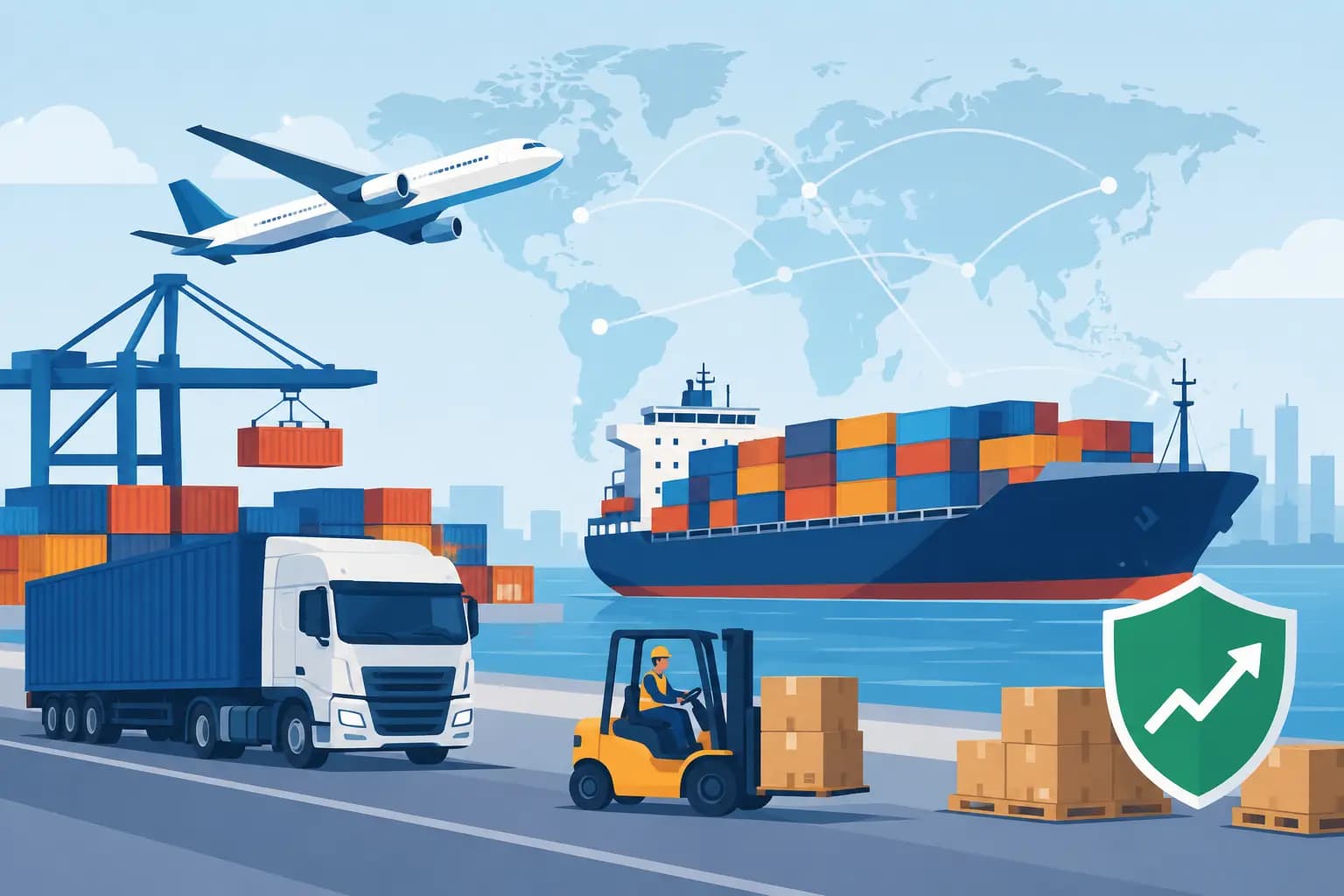
A liquidation deal can look exceptional at the supplier’s warehouse and lose its advantage before it reaches your receiving dock. The top freight options for imports are not simply a question of choosing the lowest quote. For wholesale buyers, the right choice depends on pallet count, product value, delivery deadline, origin market, customs exposure, and how much margin the shipment can carry.
A container of branded footwear, kitchenware, tools, or mixed consumer goods needs a different transport plan than urgent electronics, seasonal toys, or a test order for a new resale channel. Freight must support the deal, not consume it. That means comparing the complete landed cost, transit reliability, handling risk, and inventory turnover before confirming a purchase.
Top Freight Options for Imports: What Fits Your Load?
The practical starting point is cargo profile. Ask four questions before requesting a rate: How many pallets or cubic meters are moving? What is the total weight? How quickly must the stock be available for sale? And what is the total commercial value compared with the freight cost?
A low-value, high-volume overstock lot usually belongs on ocean freight. High-value stock with an immediate selling window may justify air freight. A partial load may be cheaper through consolidation, but it can take longer and face more handling points. There is no single best method for every import. There is a best method for a specific lot, market, and margin target.
Ocean freight for container-scale purchasing
Ocean freight is the workhorse for international wholesale. It is usually the most cost-efficient option for large shipments moving between major ports, especially when buying full pallets, truckloads, or container quantities of liquidation inventory.
Full container load, or FCL, is generally the cleanest choice when your volume can fill most or all of a 20-foot or 40-foot container. You pay for dedicated container space, gain better control over loading, and reduce the risk that unrelated cargo will delay or damage your goods. For mixed lots, branded apparel, household goods, and bulky equipment, FCL often delivers the best cost per unit.
Less-than-container load, or LCL, is designed for smaller shipments that share container space with other importers. It can be a sensible entry point for buyers testing a supplier or importing a few pallets. The trade-off is that LCL has more terminal handling, more coordination, and charges that can rise quickly at destination. A shipment that looks inexpensive on a per-cubic-meter basis may carry documentation, handling, and deconsolidation fees that change the final math.
For ocean freight, request rates based on confirmed dimensions and weight, not estimates. A pallet count alone is not enough. Carton overhang, stackability, hazardous materials status, and total cubic volume all affect the plan.
Air freight for urgent, high-margin goods
Air freight costs more, often substantially more, but speed can protect a profitable opportunity. It fits goods with strong value per pound, time-sensitive retail demand, limited order quantities, or a pressing replenishment need. Consumer electronics, selected branded accessories, small premium goods, and urgent samples are common candidates.
The key question is not whether air freight is expensive. It is whether waiting several weeks for ocean freight costs more in missed sales, lost shelf space, or delayed launch timing. If a retailer needs inventory before a promotional period, a faster mode may protect revenue that a cheaper shipment would miss.
Air freight is less attractive for low-priced, bulky goods. A large volume of cookware, toys, or household stock can quickly become uneconomical by air unless the margin is unusually high. It also requires accurate paperwork and packing standards. Incorrect commodity descriptions, batteries, liquids, or restricted materials can cause expensive delays.
Rail and road for regional trade lanes
Rail can be an effective middle ground on established international corridors, particularly for shipments moving within North America or between parts of Europe and Asia. It may offer better transit time than ocean freight while costing less than air. Its value depends heavily on the origin, destination, terminal access, and the consistency of the route.
Cross-border road freight is often the strongest option for land-connected markets. For imports from Canada or Mexico into the United States, full truckload and less-than-truckload services can provide direct delivery, flexible pickups, and shorter transit times than port-based options. This works well for palletized stock that needs to move from a supplier warehouse to a U.S. distribution center without multiple transfers.
Road freight is not automatically cheaper. Fuel, border crossings, capacity, and delivery appointments can affect rates. Still, for regional replenishment or frequent wholesale purchases, it can create a faster and more predictable inventory cycle.
Courier and express services for samples and small orders
Express carriers are built for small parcels, documents, samples, and compact urgent orders. They are not usually the answer for bulk inventory, but they are valuable before a major purchase. A buyer can inspect product quality, labeling, packaging, and assortment details before committing to several pallets or a full container.
Use express shipping to reduce sourcing risk, not to move a warehouse-sized deal. For a small number of cartons, the convenience and tracking may be worth the premium. Once volume increases, compare consolidated air freight or LCL instead.
Compare Landed Cost, Not the Freight Quote
A low freight rate can be misleading. The number that matters is landed cost per unit: product cost plus pickup, export documentation, freight, cargo insurance, duties, taxes, customs clearance, port or terminal charges, delivery, and any storage or demurrage exposure.
For liquidation buyers, this calculation must also account for the condition and sell-through of the lot. A mixed pallet purchase with an excellent unit price can still be weak if the cargo is difficult to classify, oversized, or too slow to reach market. On the other hand, a higher freight cost may be justified when the inventory is branded, ready to resell, and expected to turn quickly.
Before approving freight, compare at least these four operating factors:
- Total cost to your warehouse, including destination charges and final-mile delivery.
- Transit time from confirmed pickup to receiving appointment, not just port-to-port time.
- Cargo handling points, especially for mixed pallets, fragile goods, and high-theft categories.
- Capacity and schedule reliability during peak seasons, holidays, and port congestion.
The quote should state what is included and what is excluded. Ask whether it covers customs brokerage, bond requirements, chassis charges, terminal handling, inspections, and delivery appointments. Unclear terms are where surprise costs begin.
Protect the Shipment Before It Leaves Origin
Freight performance starts with supplier preparation. Confirm the commercial invoice, packing list, country of origin, product descriptions, quantities, and pallet dimensions before pickup. Customs delays often come from incomplete descriptions, inconsistent values, or documents that do not match the cargo.
Use clear Incoterms so every party understands who controls the shipment and who pays at each stage. Buyers who need control over timing and freight selection often prefer terms that allow their forwarder to manage the main transport. Other buyers may accept a delivered arrangement when the seller has proven logistics capability and the total price is transparent. The correct term depends on your buying experience, route, and tolerance for managing details.
Cargo insurance deserves attention, particularly for container loads and higher-value branded inventory. Carrier liability may be limited and may not reflect the resale value of the goods. Insurance does not prevent a problem, but it creates a recovery path if cargo is damaged or lost.
Pallet quality matters too. Require stable wrapping, visible labels, accurate carton counts, and loading photos. For mixed liquidation lots, a pallet manifest is especially useful. It helps your receiving team verify the shipment quickly and identify shortages before stock enters your sales channels.
Build Freight Into the Buying Decision
The best import buyers do not treat logistics as an afterthought. They evaluate freight while negotiating the stock. If the lot is available in another origin market, compare both product price and route cost. A slightly higher purchase price can still win if it ships faster, avoids a difficult port, or arrives with simpler documentation.
GLOBAL STOCKS supports buyers sourcing bulk opportunities across markets, where transport planning is part of making the numbers work. The objective is straightforward: buy inventory at a price that leaves room for freight, compliance, selling costs, and profit.
For repeat purchasing, keep a record of actual landed costs by lane, supplier, commodity type, and freight mode. Over time, this turns freight from a variable expense into a buying advantage. When the next closeout lot appears, you will know quickly whether to reserve container space, consolidate pallets, move by air, or pass on a deal that cannot carry the logistics cost.
The strongest freight decision is the one that gets sellable inventory to your warehouse on schedule, with charges you expected, while preserving enough margin to make the deal worth repeating.