


How to Reduce Damaged Inventory Claims
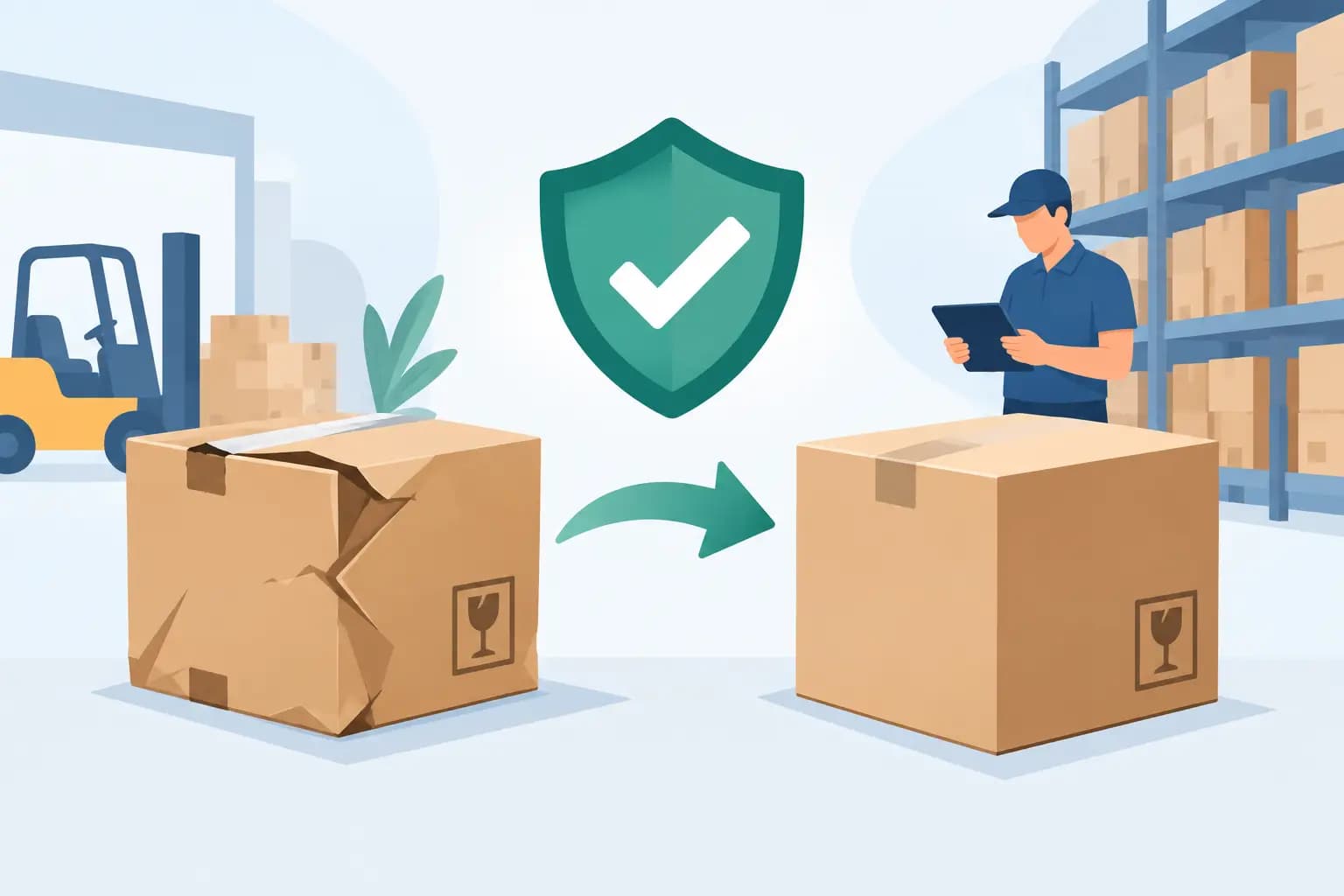
A damaged pallet can erase the margin on an otherwise excellent liquidation deal. The fastest way to reduce damaged inventory claims is not arguing harder after delivery. It is building control points before the goods leave the warehouse, while they are in transit, and the moment they reach the buyer.
For wholesale buyers, importers, and discount retailers, claims are rarely just about a broken carton. They can delay resale, tie up working capital, create disputes with freight partners, and damage a relationship that should produce repeat volume. A practical claims process protects both sides: the seller can document what shipped, and the buyer can identify genuine transit or handling issues quickly.
Start With a Clear Condition Standard
Many damaged-inventory disputes begin before loading because the parties never defined what "sellable" means. In surplus and liquidation trading, stock may be new, shelf-pull, customer return, mixed-condition, or packed in distressed outer cartons. Those are very different commercial situations.
Every offer should state the inventory condition in plain language. Specify whether quantities are counted by unit, carton, pallet, or estimated lot; whether retail packaging is expected to be intact; and whether the merchandise has been visually inspected, function-tested, or sold as-is. If a lot includes known packaging wear, say so before payment and record it on the pro forma invoice or sales confirmation.
This does not mean accepting vague descriptions. A buyer purchasing branded footwear for a retail chain needs a different condition threshold than a discount outlet purchasing mixed liquidation goods. The right standard depends on the resale channel, but it must be agreed before dispatch. Clear condition language prevents ordinary liquidation characteristics from being treated as transport damage later.
Reduce Damaged Inventory Claims Before Loading
The loading area is where preventable claims either start or stop. A warehouse team should inspect the shipment as a lot, not simply move pallets onto a truck as fast as possible. Speed matters in wholesale, but a rushed load that arrives with crushed cartons is expensive speed.
First, confirm that the pallet count, SKU mix, and carton labels match the commercial documents. Then check pallet stability, stretch wrap tension, corner protection, and the condition of the pallets themselves. Weak boards, overhanging cartons, empty gaps inside a stack, and loose top layers are warnings that should be corrected before pickup.
For higher-value goods, take time-stamped photos or video of the completed pallets from multiple sides. Capture carton labels, pallet numbers, seals, and the interior of the truck or container after loading. These records do not replace good packing, but they give both parties a factual starting point if a claim occurs.
Use loading controls that match the goods being moved:
- Keep heavy cartons at the bottom and avoid mixed pallet heights when possible.
- Use corner boards, top caps, and adequate stretch wrap for boxed consumer goods.
- Strap or block large appliances, tools, industrial equipment, and irregular freight.
- Separate crush-sensitive products from dense or sharp-edged loads.
- Make sure pallets cannot shift into open space during road, rail, or ocean transit.
There is a trade-off. Additional packing materials and labor increase the delivered cost. But on a high-volume order, one reinforced pallet is often cheaper than replacing a full layer of damaged branded stock. Apply the strongest protection where the claim exposure is highest, rather than adding cost to every lot without reason.
Match Transport to the Shipment Risk
Not every shipment needs the same transport solution. A local full truckload of wrapped household goods faces different risks than a mixed-pallet export shipment crossing several handling points. The more transfers a shipment has, the more disciplined the packaging and documentation need to be.
When booking freight, confirm equipment size, loading method, weight distribution, and whether the carrier is handling a full load or a shared shipment. Less-than-truckload freight can be efficient for smaller orders, but repeated terminal handling raises the chance of fork damage, torn wrap, and lost cartons. For fragile, premium, or tightly packed stock, a dedicated vehicle may justify its higher price.
For container shipments, moisture can be as damaging as impact. Use dry, clean equipment, keep cartons off wet or contaminated floors, and consider desiccant or moisture protection where the product category and route require it. Consumer electronics, apparel, paper packaging, and boxed cookware can all lose value quickly after water exposure.
The shipping terms also matter. Buyers and sellers should know exactly when risk transfers, who arranges cargo insurance, and what notice period applies for visible and concealed damage. Do not leave these points to assumptions. A clear sales agreement is faster than a long email chain after a delivery issue.
Make Receiving a Commercial Control Point
A shipment is easiest to verify at arrival, before it is unloaded, repalletized, or mixed into warehouse stock. Buyers should train receiving teams to check freight condition before signing a clean delivery receipt.
If there is visible damage, photograph the truck, seal, pallets, labels, and affected cartons while the carrier is present. Note the issue on the delivery document with specific wording, such as "two pallets with crushed top cartons and torn stretch wrap." A generic note such as "damage" leaves too much room for disagreement.
After unloading, count pallets and examine the affected area promptly. Some damage is hidden inside intact outer packaging, particularly after a hard impact or moisture event. The buyer should follow the agreed inspection window and keep the affected inventory separate until the claim is reviewed. Selling, repacking, or disposing of the goods too early can make a legitimate claim difficult to validate.
For repeat buyers, a simple receiving form creates consistency. It should record delivery date and time, carrier, vehicle or container number, seal status, pallet count, visible condition, photos taken, and the name of the receiving employee. This is not bureaucracy for its own sake. It turns a disputed conversation into a traceable record.
Build a Fast, Evidence-Based Claim Workflow
Claims lose value when they sit unresolved for weeks. Set one channel for reporting issues and require the same core information every time: purchase reference, lot or pallet number, delivery paperwork, clear photos, quantity affected, and a description of whether the goods are unsellable, repairable, or simply in damaged packaging.
The supplier should respond quickly, even if the final decision requires carrier review. A prompt acknowledgement tells the buyer that the issue is being handled and allows both sides to preserve evidence. GLOBAL STOCKS works with cross-border buyers and varied stock categories, so accurate lot identification and responsive communication are especially valuable when freight, customs, and multiple warehouse partners are involved.
Not every defect should result in the same remedy. A few damaged retail boxes may warrant a credit based on reduced resale value, while a pallet crushed in transit may require replacement, return authorization, or a freight claim. The remedy should match the documented loss and the terms of sale. Fairness matters because serious buyers measure suppliers by how they handle exceptions, not only by the price on the first order.
Use Claim Data to Improve Future Loads
A claim log is one of the most useful tools in bulk procurement. Track the supplier, warehouse, product category, carrier, route, pallet type, damage description, units affected, and final cost. After several shipments, patterns become visible.
If one route produces repeated moisture damage, review container preparation. If one carrier shows frequent corner impacts, reassess the service level or loading method. If claims concentrate in a certain product category, improve pallet design or revise the condition description. The goal is not to eliminate every claim - that is unrealistic in global freight - but to identify the repeatable causes that are consuming margin.
Strong wholesale partnerships are built on profitable repeat transactions. Protect the deal before it moves: document the lot, secure the load, inspect delivery properly, and act on evidence while it is fresh. That discipline keeps inventory moving and lets both buyer and seller focus on the next opportunity instead of the last dispute.