


Palletized Freight Versus Container Shipping
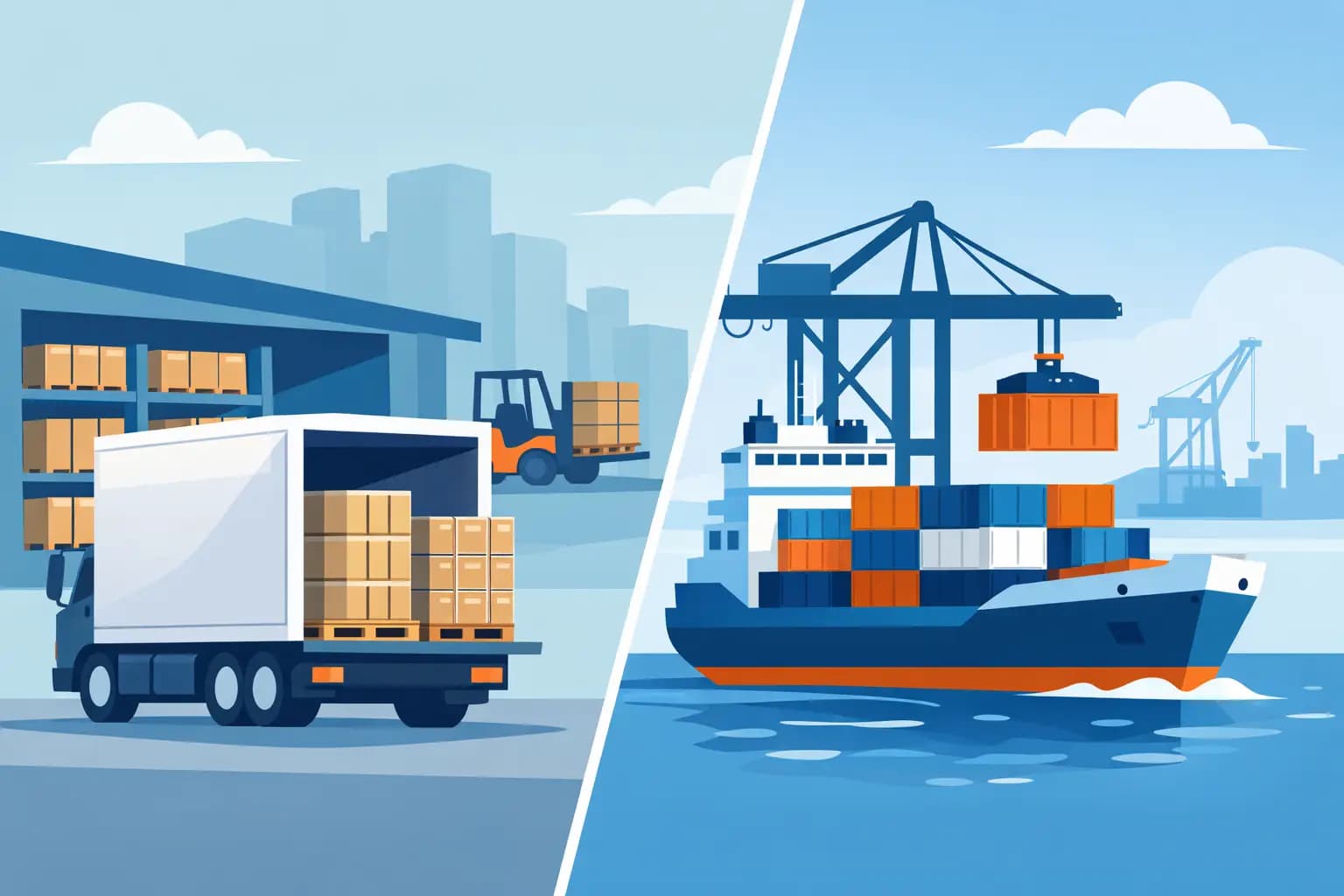
A 20-pallet closeout can look like a strong buy until the freight quote removes the margin. That is why palletized freight versus container shipping is not simply a transport decision. For importers, discount retailers, and liquidation buyers, it determines the true landed cost, the delivery risk, and how quickly inventory reaches the sales floor or fulfillment center.
The first point is often missed: a pallet is a loading unit, while a container is a transport unit. Your goods can be palletized and shipped inside a container. The real choice is usually between sending a smaller pallet shipment through an LTL, shared-load, or less-than-container-load service, and booking a full container for a larger order. The right answer depends on volume, density, origin, destination, urgency, and the value of keeping your supply chain under control.
What palletized freight means for wholesale buyers
Palletized freight means cartons or products are secured to standard pallets, typically wrapped and labeled for handling by forklifts and warehouse teams. In domestic shipping, this commonly moves as LTL freight, meaning your pallets share truck space with shipments from other companies. In international shipping, pallets may move as LCL ocean freight, air freight, or consolidated road freight.
For a buyer testing a new supplier, replenishing a fast-moving SKU, or purchasing a mixed liquidation lot, palletized freight keeps the commitment lower. You pay for the space, weight, and service required instead of paying for an entire container that you may not be able to fill efficiently.
This is especially useful when product categories do not load well together. Branded footwear, small appliances, toys, cookware, and apparel can vary sharply in carton dimensions and value per pallet. A mixed order may be commercially attractive even when it is not large enough for a full-container booking.
The trade-off is that shared freight usually has more touchpoints. Pallets can be transferred between terminals, handled at consolidation warehouses, and held while other cargo is assembled. Every touchpoint adds time and creates another opportunity for crushed cartons, missing labels, or delivery appointment problems. Proper pallet wrapping, corner protection, clear carton counts, and accurate dimensions are not minor details. They protect the deal.
When container shipping earns its cost
Container shipping becomes the stronger option when your purchase volume is high enough to use the space well. A full container load, often called FCL, gives one shipper control of the container from loading through arrival at the destination port. Common options include 20-foot and 40-foot containers, plus 40-foot high-cube equipment for volume-heavy loads.
A container is not automatically cheaper just because it holds more. It becomes cheaper per unit when the cargo volume is sufficient and the product can be loaded efficiently. A buyer importing a large quantity of household goods, tools, consumer electronics, or retail-ready apparel may find that the cost per carton falls substantially once a container is close to full.
There are operational advantages as well. Your cargo is loaded once, sealed, and moved as one shipment. That reduces handling compared with consolidated freight. It also makes inventory control simpler: one packing list, one container number, one loading plan, and a clearer receiving schedule for the destination warehouse.
For liquidation buyers, container shipping can also protect assortment integrity. If a large closeout lot includes multiple brands, model numbers, or grades of stock, keeping it in one sealed load reduces the risk of pieces being separated during consolidation. It is a practical advantage when the shipment is intended for several stores, a regional distributor, or an e-commerce operation that needs predictable inbound inventory.
Still, full-container shipping requires planning. You need enough capital to buy more inventory at once, warehouse capacity to receive it, and a sales plan that supports the larger commitment. A low unit freight cost does not help if slow-moving goods occupy your warehouse for six months.
Palletized freight versus container shipping: compare total landed cost
The cheapest freight quote is not always the cheapest shipment. Buyers should compare total landed cost per sellable unit, not only the line-haul charge. That means factoring in origin pickup, export packing, palletization, terminal handling, ocean or road freight, customs clearance, duties and taxes, destination charges, delivery appointments, unloading, and possible storage or detention fees.
Palletized freight can appear economical because the shipment is smaller. However, LCL and LTL shipments often carry higher handling charges per cubic foot, pallet, or kilogram. Port and destination fees can also have an outsized effect on a small shipment. If your lot is close to container volume, request both options before deciding.
Container freight can look expensive as a total figure but produce a better landed unit cost. The key question is not, “Can we fill a container?” It is, “Can we sell the inventory fast enough to justify filling one?” A 40-foot high-cube container loaded with low-value bulky goods may offer excellent freight efficiency but poor cash-flow efficiency if demand is uncertain.
A useful buying calculation starts with three numbers: purchase cost per unit, estimated all-in logistics cost per unit, and realistic net resale value per unit. Then test the deal against a conservative sell-through period. Include damaged units, returns, marketplace fees, local delivery costs, and discounting. This is where a strong closeout price becomes a real margin instead of a spreadsheet promise.
Choose by shipment profile, not by habit
Palletized freight is usually the practical choice when you are buying a smaller test lot, need mixed categories, have limited warehouse space, or are replenishing proven sellers without tying up cash. It also works well when the supplier has stock in multiple locations and the order needs consolidation before export.
Container shipping is usually the better commercial move when you have a large, consistent order; products with predictable demand; a warehouse ready to receive volume; and enough margin to absorb port-to-door costs. It is particularly attractive for repeat import programs where the same category, packaging, and destination are used regularly.
The middle ground deserves attention. Less-than-container-load shipping allows buyers to ship pallets internationally without booking the full box, while consolidation can combine compatible purchases into one outbound load. This can be valuable when building an assortment from several offers. But consolidation adds scheduling dependencies. One delayed supplier delivery can delay the entire shipment.
For some buyers, the best answer is a staged strategy: start with palletized freight to verify quality and local demand, then move to full containers once the product is proven. This is not cautious buying for its own sake. It is a way to turn market data into stronger purchasing power.
Packaging and loading can change the answer
Do not calculate freight before confirming how the goods will be packed. The same unit count can require very different shipping space depending on carton size, pallet height, stackability, and whether the goods can be floor-loaded. A supplier quote should clearly state total cartons, pallet count, gross weight, dimensions, and cubic volume.
Floor-loading goods directly into a container can increase the number of units shipped, especially for durable boxed products. But it increases unloading labor at destination and may not suit fragile merchandise or mixed retail inventory. Pallet loading is faster to receive and easier to count, but pallets consume space. There is no universal winner.
Ask whether pallets meet the destination country's wood-treatment requirements, whether cartons are export-ready, and whether labels match your purchase order. If you sell into retail chains or fulfillment channels, confirm barcode requirements before the cargo leaves origin. Correct documentation and packaging prevent the kind of avoidable delays that turn a profitable load into a rushed clearance event.
Build freight decisions into the purchase negotiation
Freight should be discussed before you approve the stock, not after the invoice is issued. Request the origin location, ready date, loading method, product dimensions, and a realistic timeline. Clarify who is responsible for export documentation, customs filing, insurance, and delivery from port to warehouse.
At GLOBAL STOCKS, buyers evaluating bulk offers should treat pallet counts and origin markets as core pricing information, not background details. A low purchase price from one country can lose its advantage if the shipment is too small for efficient transport or requires costly destination handling. The right procurement partner helps surface those numbers early.
For repeat purchases, maintain a record of actual freight cost, damage rate, transit time, and receiving issues by lane and product type. Quotes are useful. Delivered results are better. After two or three shipments, you will know whether a lane favors consolidated pallets, full containers, or a combination of both.
The next profitable load is usually decided before it is purchased: match the shipment method to your sales velocity, warehouse capacity, and real landed cost, then buy the volume you can move with confidence.