


How to Import Bulk Inventory Without Costly Delays
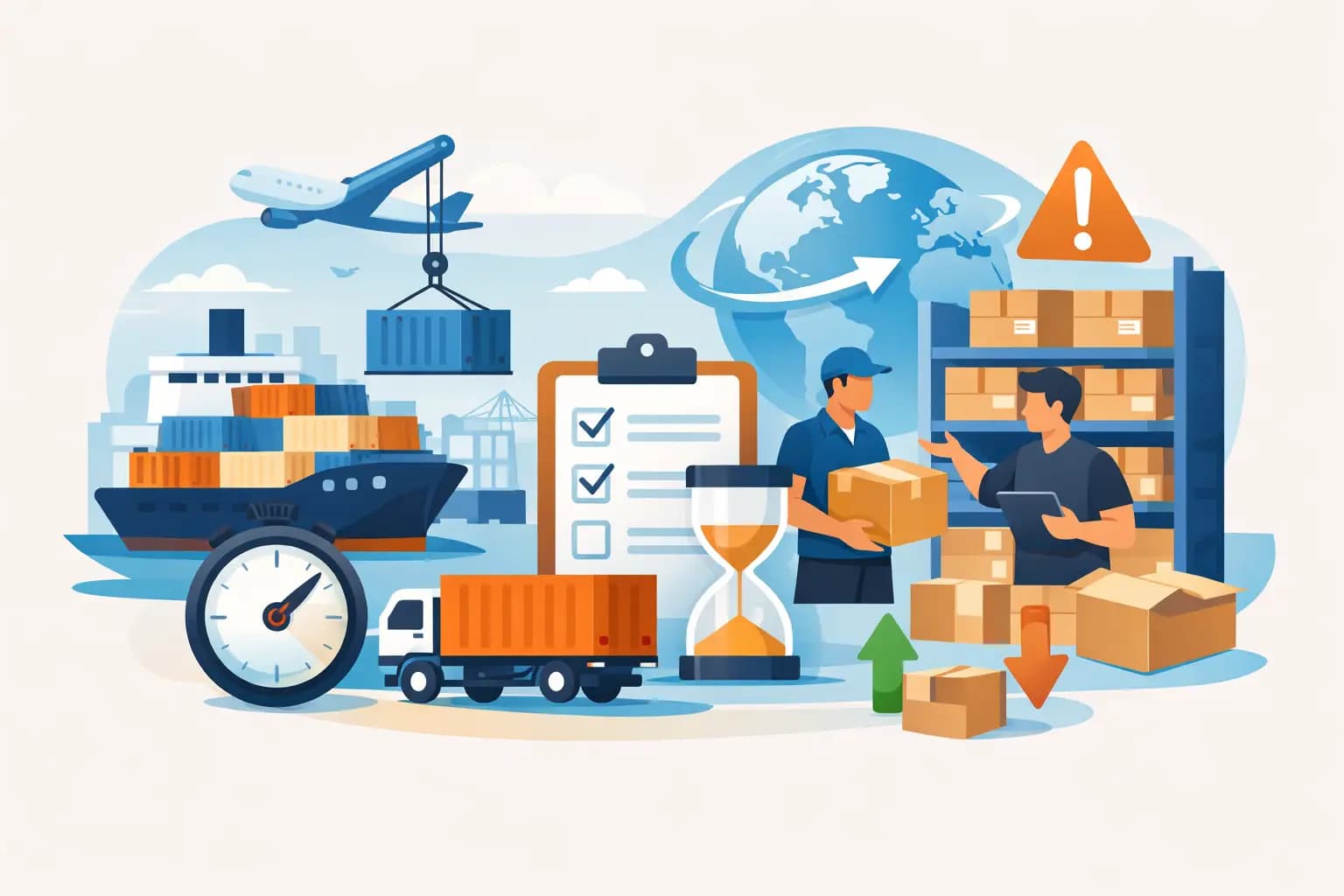
A container that looks cheap on paper can get expensive fast once freight, duties, storage, and paperwork errors start stacking up. If you want to know how to import bulk inventory profitably, the real job is not just finding low unit prices. It is controlling risk from the first supplier conversation to final delivery.
For wholesale buyers, discount retailers, distributors, and e-commerce resellers, importing in volume can open much better margins than domestic buying alone. It can also create avoidable losses if product specs are unclear, documents are incomplete, or shipping terms are misunderstood. The buyers who get repeatable results usually follow a disciplined process long before goods leave origin.
How to import bulk inventory the right way
The fastest way to lose money in cross-border sourcing is to treat bulk importing like a simple purchase order. It is an execution process. Product selection, supplier verification, Incoterms, customs classification, packaging, lead times, and payment structure all affect the final landed cost.
That matters even more in liquidation, surplus, and overstock buying. A bulk lot may offer strong margins, but the deal only works if the inventory is accurately described, resale-ready for your market, and shipped under terms you can actually manage. A low buy price does not fix damaged packaging, wrong labels, or customs holds.
Start with the resale math, not the catalog
Before you request freight quotes or review shipping routes, define your resale model. Are you supplying chain stores, feeding discount retail, selling by pallet to smaller traders, or breaking lots for marketplace sales? The right inventory for a regional wholesaler is not always the right inventory for an online reseller.
Look at expected sell-through speed, average selling price, repack needs, return rates, and market fit. Branded goods may move faster but can come with tighter resale restrictions or documentation needs. Unbranded goods can offer stronger flexibility but may require more work on merchandising and customer confidence. In some categories, the better deal is not the deeper discount. It is the stock that turns faster with fewer claims.
Vet the inventory as hard as you vet the supplier
Many buyers focus on whether the supplier is legitimate and spend less time checking whether the actual lot matches the commercial promise. In bulk importing, both matter.
Ask for a current packing list, unit counts, carton breakdown, origin country, product condition, brand status, and clear photos or videos of the exact goods. If the offer is liquidation or mixed stock, confirm assortment logic. Mixed can mean balanced commercial variety, or it can mean slow-moving leftovers packed with a few attractive SKUs on top.
You also need clarity on compliance. Consumer electronics, toys, cosmetics, cookware, textiles, and industrial goods may require category-specific labeling, testing, or market-entry documentation. If the goods are branded, confirm that resale into your destination market is allowed. If they are private label or generic, verify packaging language, barcode status, and any required warnings.
Price is only part of the landed cost
A strong bulk deal is measured by landed margin, not invoice price. That means you need a reliable estimate of every cost between the supplier dock and your warehouse.
Build your landed cost before you commit
At minimum, calculate product cost, inland transport at origin, export handling, ocean or air freight, insurance, import duties, customs brokerage, port charges, drayage, warehousing, and final-mile delivery. Then add the hidden costs buyers often miss: inspection fees, pallet rework, relabeling, demurrage, detention, and currency fluctuation.
If you are comparing offers from multiple countries, landed cost often changes the ranking. One supplier may quote lower unit pricing, but slower transit, higher duty rates, or weaker packaging can erase the advantage. Another may be slightly higher on the invoice yet easier and cheaper to move, clear, and resell.
Know the shipping terms before money moves
A lot of import problems begin with vague freight responsibility. If your supplier says they can "handle shipping," that is not enough. You need exact terms.
Understand whether you are buying EXW, FOB, CIF, or another Incoterm, and what that means in practice. FOB may work well when you want control from port departure onward. EXW can look attractive but often creates extra coordination and local pickup complexity at origin. CIF may simplify part of the movement, but buyers still need to check what is actually covered and where responsibility changes.
The best term depends on your volume, freight relationships, destination, and internal capability. Newer importers often prefer more guided logistics. Experienced volume buyers may want tighter control and better rate leverage through their own network.
Documentation decides whether goods move or sit
You can have the right goods at the right price and still lose time and margin if the paperwork is weak. Customs delays are rarely random. Most come from preventable errors.
Your commercial invoice, packing list, bill of lading, certificates, and any product-specific compliance documents must match the shipment. Quantities, values, product descriptions, and tariff classifications need to be consistent. If the supplier uses broad or vague descriptions, fix that before loading. "General merchandise" is not a serious import description.
It also pays to confirm who is responsible for filing what, and when. Some buyers assume the supplier or freight forwarder is handling everything, only to find out a missing declaration or certificate is now blocking release. Clear allocation of responsibility saves money.
Customs classification is not paperwork trivia
Tariff codes affect duty rates, admissibility, and inspection risk. If your goods are misclassified, you can underpay and face penalties later, or overpay and kill your margin now. That is why serious importers review classification early, especially in categories with multiple material types, mixed-function products, or special trade measures.
This is one area where experience matters. If you are importing apparel, tools, electronics, or mixed household goods, small product differences can change duty treatment. A broker can help, but the buyer still needs enough product detail to support the classification.
Bulk inventory needs bulk-level quality control
When you import one pallet and something goes wrong, the damage is limited. When you import multiple containers, one bad assumption can become a warehouse full of problems.
Pre-shipment inspection is often worth the cost, especially for high-value loads, mixed assortments, private label goods, or liquidation stock where condition grading matters. The point is not perfection. The point is catching major discrepancies before the balance payment is released and the goods are already on the water.
Check packaging strength, carton markings, palletization, unit counts, labeling, visible product condition, and whether the loaded goods match approved samples or lot descriptions. If your resale model depends on retail-ready presentation, packaging quality matters almost as much as product quality.
Payment terms should protect the deal
Bulk import transactions usually require staged payments, but the structure should match the risk. Sending full payment too early is weak buying. On the other hand, demanding unrealistic terms from a legitimate supplier can slow execution and cost you the deal.
It depends on the relationship, order size, product type, and market conditions. With established partners, buyers often gain better terms over time. With new suppliers, tighter controls are smart. Deposits, balance against shipping documents, inspections before final payment, and clearly written claims procedures all reduce exposure.
Logistics execution is where margins are won or lost
Once the goods leave origin, speed still matters but visibility matters more. You need shipment milestones, document copies, estimated arrival timing, and a plan for customs clearance and warehouse receiving. Delays become expensive when no one is accountable.
For recurring buyers, this is where a capable sourcing and logistics partner adds real value. Access to freight support, document coordination, and cross-border problem solving can be more useful than squeezing another few cents off unit price. That is especially true with fast-moving stock offers where delay means lost resale windows.
A marketplace like GLOBAL STOCKS can make that process easier when buyers need volume, fresh offers, and practical support around international execution rather than just a product list.
Common mistakes when importing bulk inventory
Most failed import deals do not fail because importing is too complex. They fail because buyers rush one stage and assume another stage will fix it later.
The most common mistake is buying on headline discount alone. After that comes weak spec control, poor document review, and not understanding the shipping term. Another frequent issue is underestimating how much inventory condition affects resale. A container of discounted goods is only a good deal if your market can absorb it at the margin you planned.
There is also the timing problem. Importing bulk inventory works best when purchasing aligns with your sales calendar, warehouse capacity, and cash flow. If the shipment arrives too late for the season, or too early for your cash cycle, the margin on paper may never show up in the bank.
A better way to think about how to import bulk inventory
The best importers do not just buy cheap. They buy clearly. They know what the goods are, what they will cost landed, who is responsible at each stage, and how fast those goods will convert back into cash.
That is the real discipline behind how to import bulk inventory. Not chasing random offers, but building a process that lets you move quickly when the right lot appears. When your product checks, landed cost model, documents, and logistics plan are already tight, you can act faster than buyers who are still trying to figure things out after the invoice is issued.
If you want bulk importing to stay profitable, treat every deal as an execution chain. Strong buying starts with price, but repeat buying is built on control.