


Cross Border Wholesale Shipping Guide for Buyers
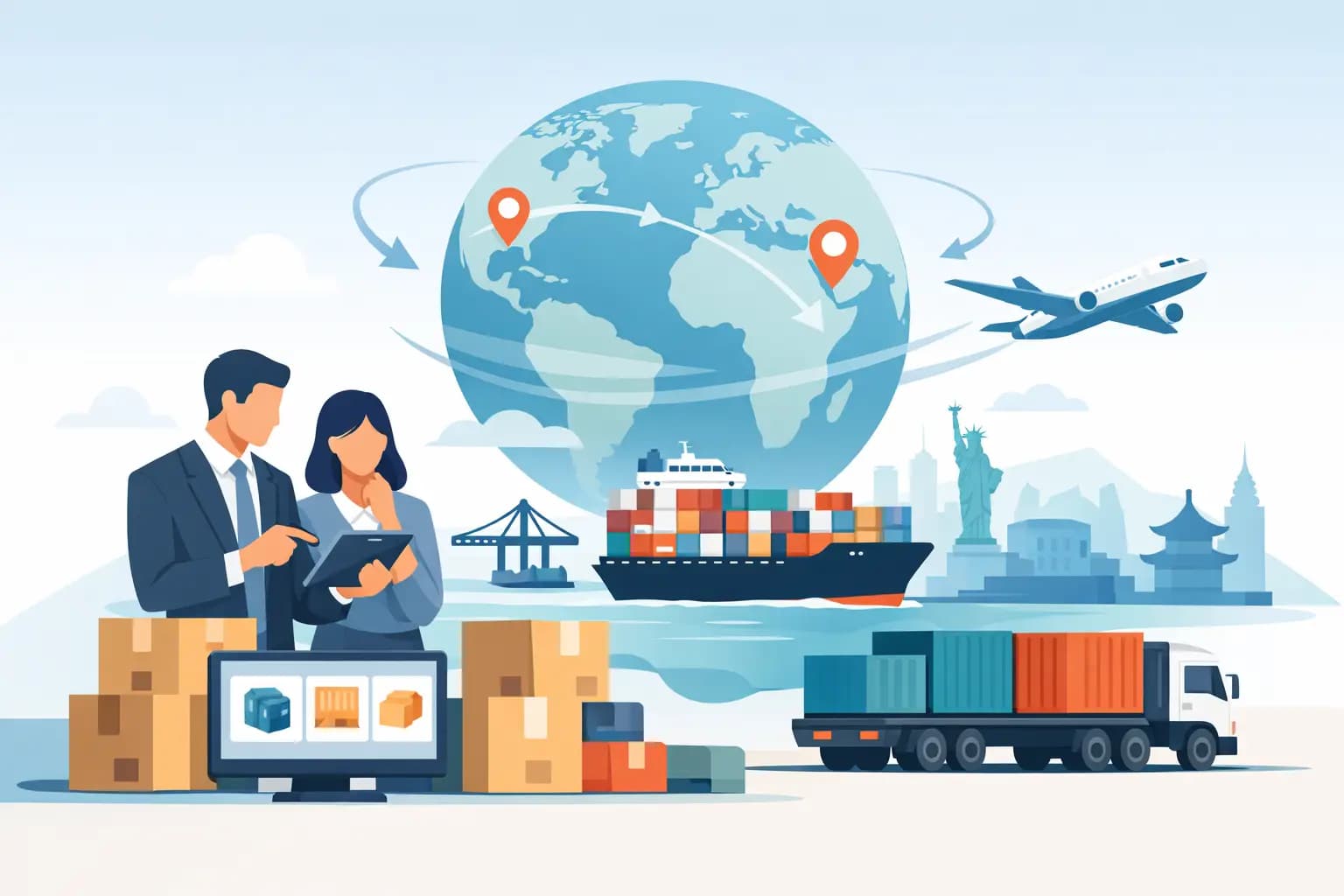
A low purchase price can disappear fast when freight, duties, delays, and damaged cartons enter the deal. This cross border wholesale shipping guide is built for buyers moving pallets, containers, and large mixed lots where every landed-cost decision affects resale margin.
International wholesale shipping is not a back-office detail. It is part of your buying price. Before you commit to overstock apparel, consumer electronics, tools, household goods, or industrial equipment, you need to know where the goods are, how they will move, who clears them, and what the shipment will truly cost at your warehouse.
Start With Landed Cost, Not the Stock Price
A liquidation lot may look exceptional at $2 per unit. But if the goods are located overseas, the price on the offer is only the starting point. Your landed cost is the number that determines whether the lot is a fast-turning opportunity or a margin problem.
Calculate the full cost before issuing a purchase order: stock value, pickup or inland transport, export handling, freight, cargo insurance, customs brokerage, import duty, taxes, port fees, destination delivery, and any inspection or repacking work. Divide that total by sellable units, not just total units listed.
That distinction matters with mixed lots. A pallet of customer returns, damaged-box inventory, or assorted liquidation stock may include units you cannot resell. If 1,000 units arrive but only 900 meet your sales standard, the freight and duty must be spread across 900 units. Build a realistic allowance for defects, missing parts, and slow-moving SKUs.
Freight changes with fuel costs, equipment availability, seasonality, route congestion, and volume. Ask for a current freight estimate tied to the shipment’s actual origin, dimensions, weight, and destination. A quote based only on “one container from Europe” is not enough to approve a wholesale deal.
Confirm the Commercial Terms Before the Goods Move
The Incoterm on your invoice defines where the seller’s responsibility ends and where yours begins. It also affects what costs appear later. Buyers often focus on the unit price and overlook this line, then find they are paying charges they expected the seller to cover.
For example, EXW means you take responsibility from the seller’s premises. You arrange collection, export handling, freight, and the rest of the route. This can work well when you have an experienced forwarder and want control over the shipment, but it requires more coordination.
FOB is common for ocean freight. The seller delivers the goods to the agreed port and loads them on board, while you generally take over ocean freight, insurance, and destination charges. CIF includes ocean freight and insurance to the destination port, but it does not mean the seller is responsible for import clearance, duties, or delivery to your warehouse.
DDP can simplify the buyer’s experience because the seller arranges delivery with duties paid. Still, confirm exactly what is included, who acts as importer of record, and whether the arrangement is valid for your market. The easiest term is not always the best commercial choice. For repeat buyers importing into the same country, controlling your own forwarder and customs process can provide better visibility and cost control.
Get the Documents Right Before Departure
Customs delays usually begin with incomplete, inconsistent, or vague paperwork. Your product description must match the actual goods and be specific enough for classification. “General merchandise” is not a workable description for a customs entry. “Mixed branded footwear, 1,200 pairs” is closer, but styles, material composition, country of origin, and product categories may still be needed.
A standard shipment file normally includes a commercial invoice, packing list, transport document such as a bill of lading or air waybill, and any required certificates, licenses, or declarations. The invoice should show seller and buyer details, quantity, unit price, total value, currency, Incoterm, origin country, and a clear product description.
The packing list should allow a warehouse team, forwarder, or customs officer to understand what is inside each pallet or carton. For mixed liquidation loads, ask for SKU lists, carton counts, photos, manifests, and pallet dimensions whenever available. This is not paperwork for paperwork’s sake. It helps you check the shipment on arrival and resolve discrepancies quickly.
Product type drives additional requirements. Apparel and footwear may need fiber, care, and country-of-origin labeling. Electronics may require safety, radio-frequency, battery, or recycling compliance. Toys, cookware, tools, cosmetics, and food-contact goods can have their own import rules. If the goods are branded, verify that the supply chain and intended resale market are legitimate for the brands involved. A cheap lot without clean documentation can become expensive inventory that cannot be sold.
Classify Goods and Check Restrictions Early
Duty rates depend on the Harmonized System code, origin country, and current trade measures. Classification is not a guessing exercise. Two products that look similar can have different duty treatment based on material, use, construction, or components.
Ask your customs broker or trade adviser to review the likely classification before you buy, especially for high-duty categories and products subject to special tariffs. Do this while you can still negotiate the deal. Waiting until the container is at the port leaves little room to adjust pricing or sourcing decisions.
Also check whether your shipment needs permits, testing records, licenses, or product-specific registration. In the United States, import requirements can involve multiple agencies depending on the goods. For a first-time category or a large-volume purchase, confirm the rules in writing and retain the supporting records.
Choose the Freight Method That Matches Your Turnover
Air freight is fast, but it is rarely the first choice for bulky wholesale inventory. It can make sense for high-value accessories, urgent replacement stock, samples, or a small launch quantity where speed protects a larger sales opportunity.
Ocean freight generally delivers the best cost per unit for palletized goods and container loads. A full container load gives you more control and reduces the handling associated with sharing space. Less-than-container-load shipping can be useful for smaller buys, but it often brings more touchpoints, longer consolidation time, and added destination charges.
For cross-border moves within North America or Europe, road freight may be the most practical option. Rail can also be attractive for certain inland lanes and heavy freight. The right method depends on cube, weight, value density, destination, lead time, and how quickly your customers expect replenishment.
Do not make a freight decision on transit time alone. Ask for the full door-to-door timeline, including pickup, export clearance, port cutoffs, transshipment, customs clearance, and final delivery appointment. A quoted 25-day ocean transit can turn into 40 days warehouse-to-warehouse once the full chain is included.
Protect the Shipment and Your Cash Flow
Cargo insurance deserves attention because carrier liability is limited and may not cover the value you paid for the goods. Confirm what risks are insured, the claims process, exclusions, deductible, and the documents needed if cartons arrive wet, crushed, short, or tampered with.
Inspect the shipment at handover and at delivery. Record seal numbers for containers, count pallets, photograph damage, and note exceptions on the delivery receipt before the driver leaves. If you sign for a shipment as received in good condition, recovering a claim becomes more difficult.
Cash flow matters just as much. International purchases can require deposits, balance payments before release, freight payment, duty payment, and warehouse costs before you sell a single unit. Match purchase volume to your available working capital and expected sell-through. The biggest lot is not automatically the best deal if it ties up cash for six months.
Work With Partners Who Share the Real Details
A reliable supplier, forwarder, and customs broker should be able to answer direct questions about origin, stock condition, pallet count, loading location, Incoterm, shipping options, and documents. If answers stay vague, treat that as a commercial risk.
At GLOBAL STOCKS, buyers can evaluate international stock opportunities with shipment details, origin information, and practical support around cross-border execution. The goal is simple: buy at the right level, move the goods correctly, and keep the margin available for resale.
For repeat imports, create a shipment checklist for your team with approved product categories, preferred routes, broker contacts, document requirements, and target landed-cost ranges. Each completed shipment will make the next one faster and easier to price.
The best cross-border wholesale buyers do not wait for a container to arrive before managing risk. They check the numbers, documents, and route before the deal is closed, then use every shipment to build a more reliable buying operation.